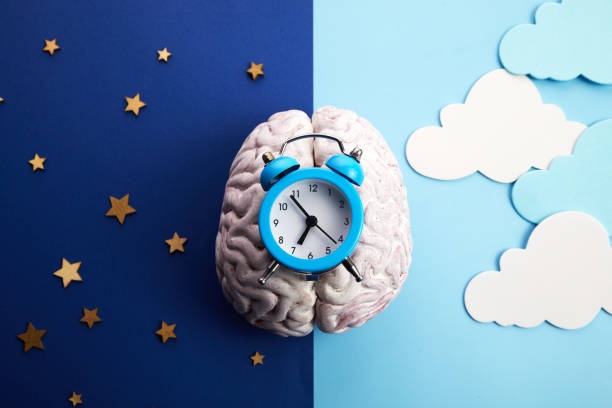
Hearing is easy to take for granted because it rarely changes overnight. It tends to fade in small, almost invisible steps. One day you are asking for repeats more often. Another day you feel oddly exhausted after a family dinner. Over time, you may start avoiding the places where conversation is hardest.
If you are trying to make sense of those early signs, a quick check-in with your local hearing care team can help you understand what is going on without turning it into a bigger story than it needs to be. Hearing care is often about prevention and clarity, not just hearing aids.
This matters on a bigger scale, too. The World Health Organization estimates that more than 1.5 billion people worldwide live with some degree of hearing loss, and projections suggest nearly 2.5 billion could be affected by 2050. The same WHO fact sheet pegs the annual global cost of unaddressed hearing loss at almost US$1 trillion, a reminder that hearing is a public health issue as much as a personal one.
Here is a whole-health view of why hearing changes matter and how a hearing clinic can support your overall health plan.
When hearing softens, the brain compensates. You fill in missing words, rely more on lip-reading, and guess from context. That is why many people say, “I can hear you, I just cannot understand you.”
The catch is that compensation costs energy. Your brain works harder to decode sound, especially in restaurants, meetings, and family gatherings. This can show up as listening fatigue, headaches, irritability, or a tendency to zone out in group conversations. It is not laziness. It is cognitive effort.
Communication is tied to confidence and connection. When conversations become work, it is common to pull back. You might stop joining in, laugh along even when you missed the punchline, or decline invitations because the noise is stressful.
Recent research continues to show links between hearing loss and outcomes like social isolation, anxiety, and depression. Even mild hearing changes can matter when they affect everyday interaction. Supporting hearing can be one practical way to support mental well-being because it reduces the friction that makes people withdraw.
Hearing health also belongs in the brain-health conversation. Major reviews continue to identify hearing loss as a leading modifiable risk factor for dementia. Researchers think this may involve two overlapping issues: increased cognitive load from constant decoding, and reduced stimulation when people participate less in conversation and social activities.
The encouraging part is that evidence for benefits of treating hearing loss is getting stronger. Newer studies suggest that structured hearing interventions can improve outcomes like loneliness in older adults. Staying engaged with people and activities is protective for health, and hearing is a big part of staying engaged.
The inner ear depends on a fine blood supply. Conditions that affect circulation and nerve health can travel alongside hearing changes, including diabetes, high blood pressure, high cholesterol, and heart disease. That does not mean every change is caused by a medical condition, but it is a good reason to treat hearing as a piece of preventive care if you already manage chronic health issues.
A hearing test can also give your primary care provider another data point. If you track blood pressure and lab work, tracking hearing over time is just as logical.
Some medications can affect hearing or balance, especially at higher doses or when multiple medications are combined. You do not need to panic or stop anything on your own. Just treat hearing symptoms like any other side effect worth reporting.
Two simple habits help:
Many people wait until hearing is “bad enough.” The problem is that hearing loss is often gradual, and the sooner you understand your baseline, the easier it is to make confident decisions later.
Consider an assessment if you notice any of these:
A good test is useful even when results are “within normal limits.” It becomes your starting point for future comparison.
A modern hearing appointment is usually straightforward and non-invasive. It often includes:
The goal is not just a chart. It is practical guidance. Are you dealing with wax or middle-ear changes? Do results suggest monitoring, medical follow-up, or hearing support? Is speech-in-noise likely to be the main struggle, even if tones look “okay”?
You will get more value from a hearing test when you tie it to real life. Ask:
If hearing technology is recommended, ask about expectations and follow-up. Hearing devices can improve access to sound, but the brain needs time and fine-tuning to make speech feel clear again.
Prevention is not about avoiding fun. It is about reducing avoidable risk.
Hearing is not separate from health care. It affects energy, mood, safety, relationships, and how connected you feel to the people around you. If listening has started to feel harder than it used to, a hearing assessment is a simple, preventive step. It gives you clear information, a baseline for the future, and options that can support your overall well-being.

Steve Henry writes on a wide variety of topics, bringing together thorough research and a reader-first approach to every article. His work covers technology, business, lifestyle, travel, health, education, finance, home improvement, and emerging trends. He focuses on explaining complex subjects in a clear, engaging, and accessible way, helping readers find reliable information and practical insights across multiple industries.