The front of a home says a lot before anyone steps inside. It sets the tone, hints at what kind of care goes into the space, and often decides whether a visitor feels welcomed or indifferent within the first few seconds. Homeowners sometimes pour energy into interior styling while the exterior quietly works against them, fading paint, tired plants, and a walkway that has seen better days.
The good news is that the outside does not need a full overhaul to feel fresh. A handful of thoughtful upgrades can completely shift how a property reads from the curb, and most of them are easier to pull off than people assume.
What follows is a practical look at the upgrades that carry the most weight. None of these require tearing anything down. They work together to build a cleaner, warmer, more intentional first impression, and each one can stand on its own if the budget or time is tight.
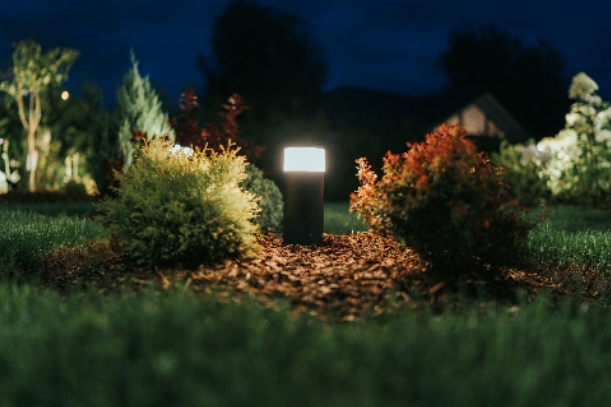
Good lighting changes how a home feels at night in ways that are almost unfair. A property that looks average in daylight can feel genuinely elegant once the right fixtures kick in after dusk. The trick is knowing where to place the light and how much of it to use. Too many beams pointing in every direction creates a stadium effect, while too little makes the place feel unwelcoming. The sweet spot is softer than most people think, and it usually involves layering. Pathway markers, a warm glow near the entry, and subtle uplighting on a tree or textured wall tend to work beautifully together.
Getting this balance right is not always a weekend project, and the wiring alone can get complicated once multiple fixtures come into play. That is why outdoor lighting installation should be done by professionals to effectively map out zones and handle the wiring in a way that keeps everything safe and weather-resistant for the long haul.
The front door is the single most looked at feature on any home, yet it is often the most neglected. A coat of paint in a color that contrasts nicely with the siding can do more for curb appeal than almost any other upgrade at a similar effort level. Deep blues, warm greens, soft blacks, and rich reds all tend to photograph well and age gracefully. A faded door, on the other hand, drags down everything around it, even if the rest of the yard is in great shape.
Hardware makes a surprising difference here, too. Swapping out a dated handle and adding a matching knocker or house numbers in a clean finish pulls the whole entry together. The idea is to treat the door the way you would treat a piece of jewelry on an outfit. It should catch the eye without shouting for attention.
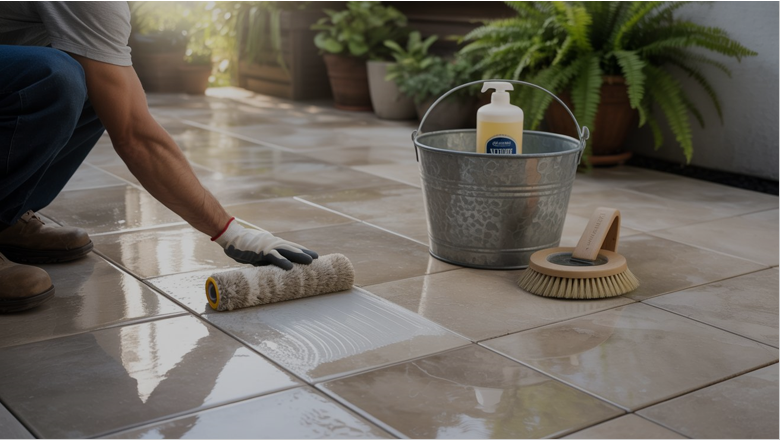
A cracked or stained walkway quietly tells visitors that the home has been worn down, even if everything else looks sharp. Pressure washing is the cheapest way to bring concrete or pavers back to life, and the results can be dramatic. For surfaces that are past saving, replacing a section with stamped concrete, flagstone, or clean pavers gives the entry path a totally different character.
Edges matter just as much as the surface itself. A crisp border between the walkway and the lawn, whether that is a row of low plants, a metal edge, or a tidy strip of gravel, makes the whole approach feel designed rather than accidental.
Overgrown shrubs and scraggly beds are some of the fastest ways to make a home look tired. Pulling back on the greenery, rather than adding more, is often the right move. Clean lines around beds, a layer of fresh mulch, and a few well-chosen plants near the entry usually outperform a crowded yard filled with mismatched species.
Repetition is a quiet trick that pays off. Using the same plant in three or five spots creates a rhythm the eye picks up on without thinking about it. Symmetry around the front door, like matching planters or twin shrubs, adds a sense of order that reads as polished.
Peeling paint on window trim, a weathered garage door, or a mailbox that has started to lean can chip away at a home's appeal even when nothing major is wrong. A fresh coat on trim pieces and accent features sharpens the whole facade. The contrast between crisp white trim and a colored siding, or a dark trim against a lighter body, is one of the oldest tricks in residential design because it genuinely works.
Shutters, if the home has them, should either be in great shape or removed. Sagging or faded shutters pull the eye in the wrong direction and make a house look neglected even when the rest of the exterior is fine.

Steve Henry writes on a wide variety of topics, bringing together thorough research and a reader-first approach to every article. His work covers technology, business, lifestyle, travel, health, education, finance, home improvement, and emerging trends. He focuses on explaining complex subjects in a clear, engaging, and accessible way, helping readers find reliable information and practical insights across multiple industries.