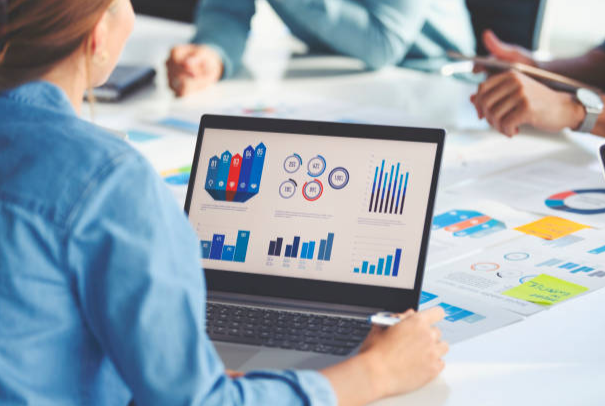
Performance analytics has become an essential part of modern business operations. Companies across different industries rely on data-driven insights to improve productivity, increase efficiency, and make better decisions. In today’s digital environment, businesses generate large amounts of data from websites, applications, marketing campaigns, customer interactions, and operational processes. Performance analytics helps organizations analyze this data and transform it into valuable information that supports growth and long-term success.
Businesses are constantly looking for ways to improve performance and gain a competitive advantage. Performance analytics provides detailed insights into how systems, employees, and strategies are performing in real time. By identifying strengths and weaknesses, organizations can optimize processes, reduce operational costs, and improve customer experiences. As technology continues to evolve, performance analytics is becoming even more important for companies that want to stay ahead in competitive markets.
Performance analytics is the process of collecting, analyzing and interpreting data to evaluate the efficiency and effectiveness of business operations. It helps organizations monitor key performance indicators, track progress toward goals, and identify opportunities for improvement. Businesses use performance analytics tools to measure different aspects of operations, including employee productivity, sales performance, website traffic, marketing campaigns, and customer behavior.
Modern performance analytics systems use advanced technologies such as artificial intelligence, machine learning, and cloud computing to process large volumes of data quickly. These tools provide businesses with real-time dashboards, predictive insights, and automated reporting features. Instead of relying on assumptions, companies can use performance analytics to make informed decisions based on accurate data and measurable outcomes.
Performance analytics is widely used in industries such as healthcare, finance, retail, manufacturing, education, and technology. Organizations use it to improve workflows, monitor operational efficiency, and identify areas where resources can be used more effectively.
The importance of performance analytics continues to grow as businesses become more data-driven. Organizations that understand their data can make smarter decisions and improve overall business performance. One of the biggest advantages of performance analytics is the ability to identify inefficiencies quickly. Businesses can detect operational issues, analyze customer trends, and adjust strategies before problems become more serious.
Performance analytics also improves transparency within organizations. Managers and decision-makers can track employee productivity, project progress, and financial performance through detailed reports and dashboards. This allows businesses to set realistic goals and measure success more accurately.
Another important benefit is improved customer experience. Businesses can analyze customer behavior, purchasing patterns, and feedback to better understand customer needs. These insights help companies personalize services, improve marketing campaigns, and build stronger customer relationships.
In competitive industries, performance analytics helps businesses stay ahead by providing valuable market insights. Companies can analyze competitor performance, industry trends, and customer demands to develop more effective strategies. This ability to adapt quickly is essential for long-term success in rapidly changing markets.
Performance analytics plays a major role in improving productivity within organizations. Businesses can use analytics tools to monitor workflows, identify bottlenecks, and optimize daily operations. Employees and teams can work more efficiently when businesses have clear visibility into performance metrics and operational processes.
Analytics systems help organizations automate repetitive tasks and reduce manual work. This saves time and allows employees to focus on more strategic activities. Predictive analytics can also help businesses forecast future trends and allocate resources more effectively.
Another advantage is improved collaboration between departments. Performance analytics platforms provide centralized access to data, making it easier for teams to share insights and coordinate efforts. When employees have access to accurate information, communication becomes more effective and decision-making improves.
Businesses can also use performance analytics to evaluate the success of training programs and employee development initiatives. By monitoring productivity and engagement levels, companies can identify areas where additional support or training may be needed.
Effective performance analytics involves several important components that work together to provide accurate insights. Data collection is the foundation of performance analytics. Businesses gather information from websites, software applications, customer databases, social media platforms, and operational systems.
Data analysis is another critical component. Advanced analytics tools process and interpret data to identify patterns, trends, and performance indicators. Artificial intelligence and machine learning technologies are increasingly being used to improve the accuracy and speed of analysis.
Visualization tools also play an important role in performance analytics. Dashboards, charts, and reports help businesses understand complex information more easily. Real-time data visualization allows decision-makers to monitor performance continuously and respond quickly to changes.
Reporting and forecasting are also essential aspects of performance analytics. Businesses use reports to evaluate current performance and predictive models to estimate future outcomes. These insights help organizations plan more effectively and reduce potential risks.
Although performance analytics offers many benefits, businesses often face several challenges when implementing analytics strategies. One common issue is data quality. Inaccurate or incomplete data can lead to incorrect insights and poor decision-making. Businesses must ensure that data is collected, stored, and managed properly.
Another challenge is integrating data from multiple sources. Organizations often use different software systems and platforms that may not work together efficiently. Combining information from these systems can be complex and time-consuming.
Data security and privacy are also major concerns. Businesses must protect sensitive customer and operational information from cyber threats and unauthorized access. Strong security measures and compliance with data protection regulations are essential for maintaining trust.
Employee resistance to new technologies can also create challenges. Some organizations may struggle to adopt analytics tools because employees are unfamiliar with data-driven processes. Proper training and support are important for successful implementation.
The future of performance analytics is closely connected to advancements in artificial intelligence and automation technologies. AI-powered analytics tools are becoming more advanced and capable of processing massive amounts of data in real time. Businesses will increasingly rely on predictive and prescriptive analytics to make proactive decisions.
Cloud-based analytics platforms are also expected to become more popular because they provide scalability, flexibility, and remote accessibility. These systems allow businesses to access data and insights from anywhere, improving collaboration and operational efficiency.
Another major trend is the use of real-time analytics. Businesses want immediate insights that help them respond quickly to changing conditions and customer demands. Real-time monitoring systems will continue to play a critical role in improving performance and reducing operational delays.
As organizations generate more digital data, the demand for performance analytics solutions will continue to grow. Businesses that invest in advanced analytics technologies will be better positioned to improve efficiency, enhance customer experiences, and maintain competitive advantages.
Performance analytics has become an essential tool for businesses that want to improve efficiency, productivity tools, and decision-making. By analyzing data and monitoring key performance indicators, organizations can identify opportunities for growth and optimize daily operations. Performance analytics helps businesses reduce costs, improve customer experiences, and achieve better long-term results.
Modern technologies such as artificial intelligence, machine learning, and cloud computing are transforming how businesses use analytics. Companies can now access real-time insights, predictive forecasting, and automated reporting systems that support faster and more accurate decisions.
Despite challenges such as data security and system integration, the benefits of performance analytics far outweigh the difficulties. Businesses that adopt data-driven strategies and invest in advanced analytics tools will have a stronger foundation for success in competitive markets. As digital transformation continues to evolve, performance analytics will remain one of the most important factors driving innovation, operational efficiency, and sustainable business growth.

This post has been authored and published by one of our premium contributors, who are experts in their fields. They bring high-quality, well-researched content that adds significant value to our platform.