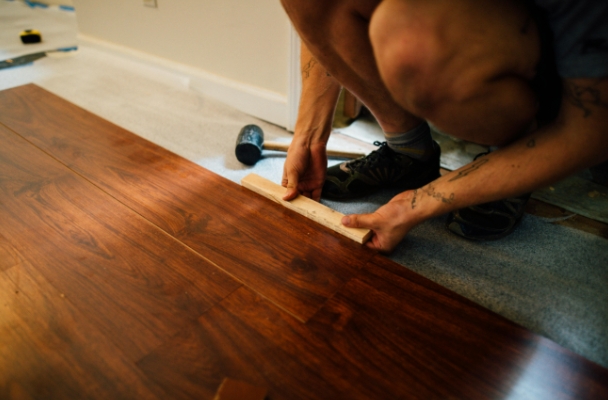
Most people think replacing floors is a simple swap—old material out, new material in. The reality feels very different once the work begins. Rooms become unusable, furniture has nowhere to go, and daily routines get disrupted faster than expected. If you’re planning to replace flooring across your entire home, you’re dealing with more than design choices. You’re managing logistics, timing, and how to live through the process.
A well-planned flooring project saves time, money, and frustration. This guide walks you through the practical side of things so you can start your project with clarity and avoid the common mistakes that slow people down.
It’s easy to focus on how flooring looks, but daily use matters more. A material that looks great in a showroom may not hold up in a busy home. If you have kids or pets, you’ll want something that handles scratches and spills without constant upkeep. In areas like kitchens or entryways, moisture resistance should be a priority.
Hardwood feels warm and classic, but it needs care. Vinyl and laminate handle wear better and are easier to maintain. Tile works well in high-moisture areas but can feel cold and hard underfoot. Think about how each room is used, not just how you want it to look. Choosing based on lifestyle saves you from regret after installation.
Flooring crews need open space to work efficiently. Moving furniture from one room to another might seem like a simple solution, but it often slows the process. Installers have to wait while items get shifted around, and that adds time and labor costs.
A better approach is to clear the home as much as possible before work starts. This is where many homeowners choose to use moving services to pack and transport furniture into a storage unit. It keeps everything protected and gives contractors full access to the space. Labeling boxes and grouping items by room makes it easier to move everything back later. Planning this step properly helps the entire project run smoothly from start to finish.
Before new flooring goes in, the surface underneath needs to be solid. Many homeowners don’t think about this until the old flooring is removed. That’s when problems show up—uneven subfloors, moisture damage, or leftover adhesive that needs extra work to clear.
If the base isn’t level, your new flooring won’t sit properly. You might notice gaps, movement, or early wear. Fixing these issues takes time and adds to the cost, but skipping them creates bigger problems later. It’s better to expect some level of prep work rather than assume everything underneath is fine. Ask your contractor to inspect the subfloor early so you can plan for repairs before installation begins.
Flooring work creates more mess than most people expect. Cutting materials, removing old floors, and sanding surfaces all produce fine dust that travels beyond the work area. Even if contractors seal off sections, dust can still settle in nearby rooms. You’ll need to cover vents, keep doors closed, and store items you don’t want exposed.
Noise is another factor. Power tools run for hours, which makes working from home or resting during the day difficult. Plan your schedule around the work hours if possible. If you have children or pets, think about where they can stay safely during the process. Preparing for these conditions ahead of time helps you avoid frustration once work begins.
New flooring changes the height of your floors, which affects doors and trim. In many cases, doors need to be trimmed so they don’t scrape against the new surface. This step is often overlooked until installation is complete, which can delay finishing work.
Baseboards may need to be removed and reinstalled, or replaced entirely if they get damaged during removal. Transitions between different flooring types also need careful planning. These small strips help create a clean connection between rooms and prevent tripping hazards. Choosing the right style and placement makes a visible difference in the final result. Paying attention to these details ensures the project looks complete and functions properly.
Living in your home during a full flooring replacement can be difficult. Entire sections may be off-limits, and access to basic areas like the kitchen or bedrooms can change daily. Some homeowners choose to stay elsewhere for a few days or weeks to avoid the disruption.
If you plan to stay, set up one area that remains functional for as long as possible. Keep essentials like clothing, toiletries, and work items easy to access. You may also need to adjust your routine, especially if rooms are completed in stages. Thinking through your living setup ahead of time helps you stay comfortable and avoids last-minute decisions when work is already underway.
Once installation is complete, there are still a few important steps before your home feels normal again. Some flooring types require time before you can place heavy furniture back. This allows adhesives or finishes to set properly. Moving items too soon can cause marks or damage.
Cleaning is also important. Fine dust may still settle even after the work is done, so a thorough wipe-down helps protect your new floors. You should also use protective pads under furniture to prevent scratches. For the first few weeks, avoid dragging heavy items across the surface. Following these basic steps helps your new flooring last longer and keeps it looking the way it should.
Replacing flooring throughout your home takes planning, patience, and attention to detail. The work itself is only one part of the process. Preparing your space, managing daily life during the project, and understanding what happens before and after installation all play a role in how smoothly things go.
When you approach the project with a clear plan, you reduce delays and avoid common mistakes. Small decisions, like how you schedule the work or where you store your belongings, can make a big difference. Take the time to prepare properly, and you’ll end up with a finished space that feels worth the effort you put into it.

Steve Henry writes on a wide variety of topics, bringing together thorough research and a reader-first approach to every article. His work covers technology, business, lifestyle, travel, health, education, finance, home improvement, and emerging trends. He focuses on explaining complex subjects in a clear, engaging, and accessible way, helping readers find reliable information and practical insights across multiple industries.