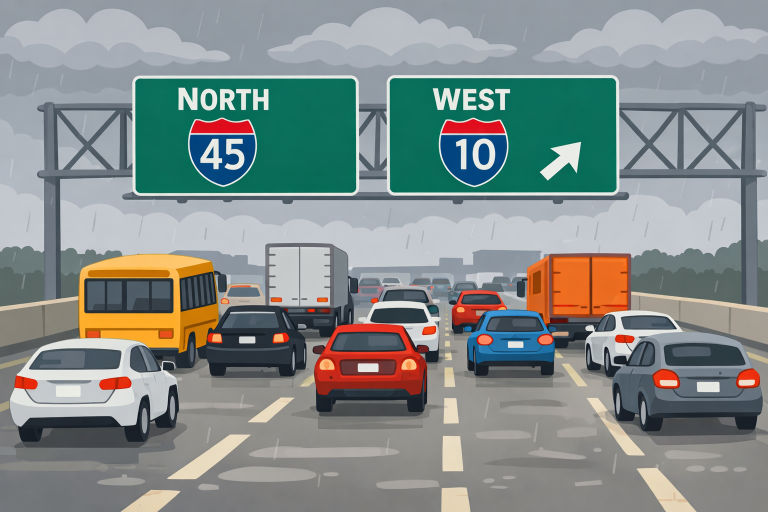
Houston’s highway system is notorious nationwide for its size and complexity, but the I-45 and I-10 corridors stand out as especially hazardous for Metro drivers. These heavily trafficked routes cut through the heart of the city, serving commuters, shipping trucks, and travelers alike. The combination of high speeds, traffic congestion, and erratic driver behavior creates a dangerous mix. These freeways see elevated accident rates year after year, causing serious injuries and sometimes tragic fatalities.
The real danger lies not just in the volume of traffic but in the unpredictable nature of conditions on these freeways. Drivers navigating I-45 and I-10 often confront sudden slowdowns, construction zones, confusing interchanges, and the constant risk of impaired or aggressive motorists. If you or your loved ones find yourselves impacted by a crash, contacting a knowledgeable Houston freeway accident lawyer can help preserve your rights and ensure you receive proper guidance through the process.
National road-safety organizations and studies repeatedly rank these two corridors among the most dangerous in the country, based on their accident statistics. The risk is amplified by the region’s rapid growth, expansion of suburbs, and the widespread reliance on personal vehicles for both short and long commutes.
In addition to everyday drivers, commercial vehicles, buses, and delivery fleets all rely on I-45 and I-10. This mix of vehicle types increases the likelihood of multi-vehicle pileups and hazardous conditions, especially around entrance and exit ramps. Multi-car collisions occur with alarming frequency, and major bottlenecks can form even after minor accidents.
Both I-45 and I-10 regularly rank among the most congested highways in Texas. Massive volumes of cars traveling at high speeds one minute, then stopping abruptly the next, create ideal conditions for rear-end collisions and chain-reaction crashes. Aggressive drivers often weave through lanes to bypass slow traffic, increasing the risk for everyone. Speed limits are often ignored, with many drivers exceeding posted limits by significant margins during lighter traffic periods or late at night. According to MoneyGeek, Texas highways like I-45 and I-10 consistently rank among the deadliest stretches in the nation.
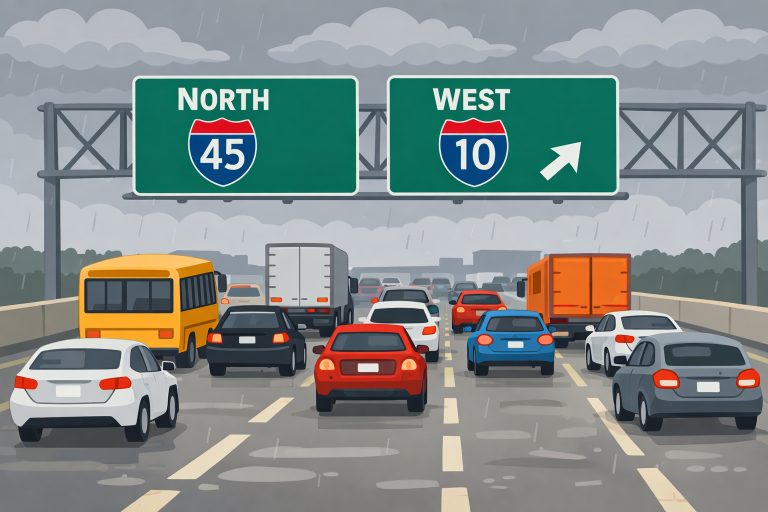
Infrastructure challenges further complicate travel on these stretches. Narrow lanes, poorly marked exits, short merge areas, and frequent construction zones can make navigation confusing even for seasoned locals. Inadequate lighting, abrupt drops in speed limit, and missing or faded lane markings are all cited by Houston drivers as contributing factors in highway mishaps. Ramp metering, exit-only lanes, and high-occupancy vehicle (HOV) designations often prompt last-minute lane changes, increasing the risk of side-swipe accidents.
Houston’s subtropical climate comes with its own set of highway hazards. Sudden thunderstorms can drench freeway surfaces, leading to hydroplaning and limited visibility. Flooding is a major risk, with some portions of I-45 and I-10 especially vulnerable to rapid water accumulation. During major weather events, drivers can become stranded, contributing to secondary accidents and highway closures.
Speeding is just one aspect of risky behavior on these Houston freeways. Distracted driving, such as using phones, eating, or engaging with in-car technology is rampant. Impaired driving from alcohol or drugs makes nighttime and early morning hours especially dangerous. Road rage, aggressive passing, and tailgating can quickly escalate into accidents under congested conditions. Every year, law enforcement agencies conduct safety campaigns to address these preventable behaviors, but consistent vigilance is necessary for every freeway user.
There are several key habits drivers can adopt to minimize risks on Houston’s I-45 and I-10 corridors:
If you are involved in an accident on I-45 or I-10, prioritize safety first. Move your vehicle to a safe area, if possible, and turn on hazard lights. Contact emergency services to report injuries and request police assistance. Gather photo evidence of the scene, vehicle damage, and collect driver information. Avoid discussing fault at the scene. When appropriate, seek immediate medical attention, even if injuries are not apparent at first. Consulting with a Houston freeway accident lawyer helps ensure you understand your rights and available compensation avenues following a serious crash.
I-45 and I-10 are lifelines for Houston but are also among the city’s most hazardous stretches of roadway. High speeds, congestion, challenging infrastructure, and unpredictable weather all contribute to the risk. By adopting safe driving habits and staying vigilant, Houston drivers can improve outcomes for themselves and others. In serious collision cases, professional legal assistance is an invaluable resource that can help ease the burden of recovery and protect your long-term interests.

Ameer Hamza is a versatile content creator with a strong interest in researching and writing on a wide range of topics. His work spans technology, business, health, travel, lifestyle, education, entertainment, finance, and digital trends. He focuses on transforming complex information into clear, engaging, and easy-to-understand content that provides practical value to readers. By relying on credible sources and thorough research, Ameer strives to produce accurate, informative, and up-to-date articles that help readers stay informed and make better decisions.