A single utility failure can bring an entire commercial operation to a halt. A burst pipe can flood production areas overnight. An overloaded electrical system can shut down equipment during peak business hours. HVAC failures can make office buildings uncomfortable for employees and customers within minutes. In many facilities, these problems do more than interrupt daily work; they lead to costly repairs, lost revenue, safety concerns, and damaged reputations.
Many utility breakdowns do not happen suddenly. They build over time through neglected inspections, aging infrastructure, poor maintenance planning, and delayed repairs. Commercial facilities that stay proactive often avoid the biggest disruptions because they spot warning signs early and act before systems fail completely.
This article will guide you through the most effective ways commercial facilities can prevent expensive utility failures and keep operations running smoothly.
Repair Pipes Immediately
Large commercial buildings rely heavily on underground pipelines. A damaged sewer line beneath a parking lot or a deteriorating stormwater pipe under a busy roadway can create massive disruption fast. Traditional excavation usually means torn pavement, blocked access points, loud construction, and long repair timelines that interfere with normal business operations.
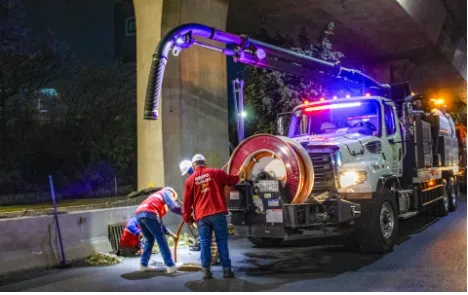
That is why many facility managers now hire contractors that specialize in trenchless large diameter pipe repair. These services repair aging pipelines from the inside instead of digging up the entire area above them.
This approach works especially well for commercial facilities with large sewer systems, storm drains, industrial pipelines, and underground utility networks. Contractors inspect the condition of the pipe first, then recommend a rehabilitation method based on the damage, pipe size, and location. In many cases, crews can access the system through existing entry points like manholes, which keeps surface disruption low.
Monitor Utility Systems in Real Time
Commercial facilities generate a huge amount of system data every day. Water pressure, electrical usage, equipment temperatures, and airflow levels constantly change depending on building activity. Real-time monitoring systems help facility teams catch unusual patterns before equipment fails.
Smart leak detection systems are especially useful in large buildings. A hidden pipe leak behind walls or beneath flooring can waste thousands of gallons of water before anyone notices visible damage. Sensors detect pressure drops and moisture levels immediately, allowingmaintenance crews to respond quickly.
Electrical monitoring systems help facilities avoid overload problems as well. Instead of waiting for breakers to trip or equipment to fail, managers can track energy demand throughout the building. If certain systems consistently pull excessive power, adjustments can happen before wiring overheats or equipment gets damaged.
Upgrade Outdated Electrical Infrastructure
Aging electrical systems create serious risks inside commercial properties. Older wiring struggles to handle the power demands of modern equipment, especially in facilities that continue adding new technology without updating the electrical infrastructure behind it.
Flickering lights, warm outlets, buzzing panels, and frequently tripped breakers usually point to overloaded circuits. These warning signs should never be ignored because electrical failures can damage expensive equipment and create fire hazards inside the building.
Panel inspections help facility managers understand whether the system can safely support current energy demands. In many cases, older buildings need upgraded panels, new wiring, or better circuit distribution to handle modern operations properly.
Energy-efficient upgrades also reduce stress on electrical systems. LED lighting, smart climate controls, and updated equipment draw less power than outdated systems.
Prioritize HVAC System Efficiency
HVAC systems work hard in commercial buildings. Offices, retail spaces, warehouses, and medical facilities all depend on stable indoor temperatures to keep employees, customers, and equipment comfortable. When HVAC systems struggle, indoor conditions become unpleasant quickly.
Poor airflow is one of the first signs that something needs attention. Certain rooms may feel warmer than others, humidity levels rise, and the system runs longer without properly cooling the building. Dirty filters, blocked ducts, and failing components often cause those problems.
Routine servicing keeps HVAC systems operating efficiently throughout the year. Technicians can inspect refrigerant levels, clean coils, test airflow, and identify worn components before they fail. That maintenance helps systems cool spaces faster while using less energy.
Efficient HVAC systems also improve indoor air quality. Cleaner airflow reduces dust buildup, stale odors, and humidity problems inside the facility. Employees stay more comfortable during long workdays, and customers spend more time inside businesses with stable indoor temperatures.
Train Staff to Recognize Early Warning Signs
Maintenance teams are not everywhere at once. In large commercial buildings, employees often notice problems first because they interact with the space all day. Someone may hear a strange rattling sound in the ceiling, notice weak airflow in one section of the office, or spot water stains near a wall before the issue becomes serious.
That kind of early reporting can save facilities a huge amount of money. For example, a small leak caught quickly is much easier to repair than a flooded utility room.
Facility managers should encourage employees to report anything unusual instead of brushing it off. Staff should know who to contact and how to submit maintenance concerns without dealing with a complicated process. Quick communication helps maintenance crews investigate problems before operations get interrupted.
Conduct Regular Facility-Wide Inspections
Mechanical rooms, basements, rooftops, crawl spaces, and storage areas often contain critical systems that support the entire property. When inspections become inconsistent, small problems stay unnoticed until equipment finally fails.
Routine walkthroughs help facility managers stay ahead of that situation. Inspecting exposed pipes, electrical panels, drainage systems, and HVAC equipment gives maintenance teams a clearer picture of how the building is performing.
Roof inspections matter quite a bit in commercial buildings as well. Drainage issues on rooftops can lead to water intrusion that damages ceilings, walls, insulation, and electrical systems below. Catching blocked drains or standing water early prevents expensive interior repairs later.
Reduce Strain on Utility Systems
Utility systems fail faster when they constantly operate at maximum capacity. Commercial buildings with high energy demands, outdated equipment, or inconsistent maintenance often place unnecessary pressure on plumbing, HVAC, and electrical infrastructure every single day.
Energy-efficient upgrades help reduce that strain. LED lighting, automated climate controls, and modern equipment consume less electricity while improving overall building performance.
Water usage should also stay under control in large facilities. Leaking fixtures, inefficient plumbing systems, and outdated equipment waste huge amounts of water daily. That constant demand places additional pressure on underground pipelines and drainage systems.
Commercial facilities run best when utility systems stay dependable in the background instead of becoming constant sources of disruption. Employees work more comfortably, tenants stay satisfied, and daily operations move forward without sudden shutdowns pulling attention away from business priorities.
The facilities that avoid major utility disasters are usually the ones that stay prepared long before trouble starts. They inspect systems regularly, respond to warning signs quickly, and bring in experienced professionals before small problems spread through the building. That approach keeps repair costs manageable and prevents the kind of large-scale failures that interrupt business for days at a time.