Almost every homeowner knows that indoor mess mostly walks in from outside through shoes, tools, pets, or everyday habits that carry dirt without much thought. They have started catching onto this, and instead of constantly cleaning interiors, they’re reworking outdoor spaces to intercept the problem earlier. The idea is simple but effective. Stop the mess before it crosses the threshold.
This way, they can change how outdoor areas are used. Backyards, side yards, and entry points are no longer treated as passive spaces. They’re being set up with intention, acting as filters between the outside world and the inside of the home. Dirt, debris, and clutter get handled in these zones first, which reduces the constant cycle of cleaning indoors.
Storage Before Entry
A major source of indoor mess comes from items that don’t belong inside in the first place. Tools, gardening gear, muddy shoes, and outdoor equipment often end up just inside the door, slowly building clutter. Setting up a designated drop-off point outside solves that problem at the source. Instead of carrying everything in, there’s a clear place to leave it before stepping indoors.
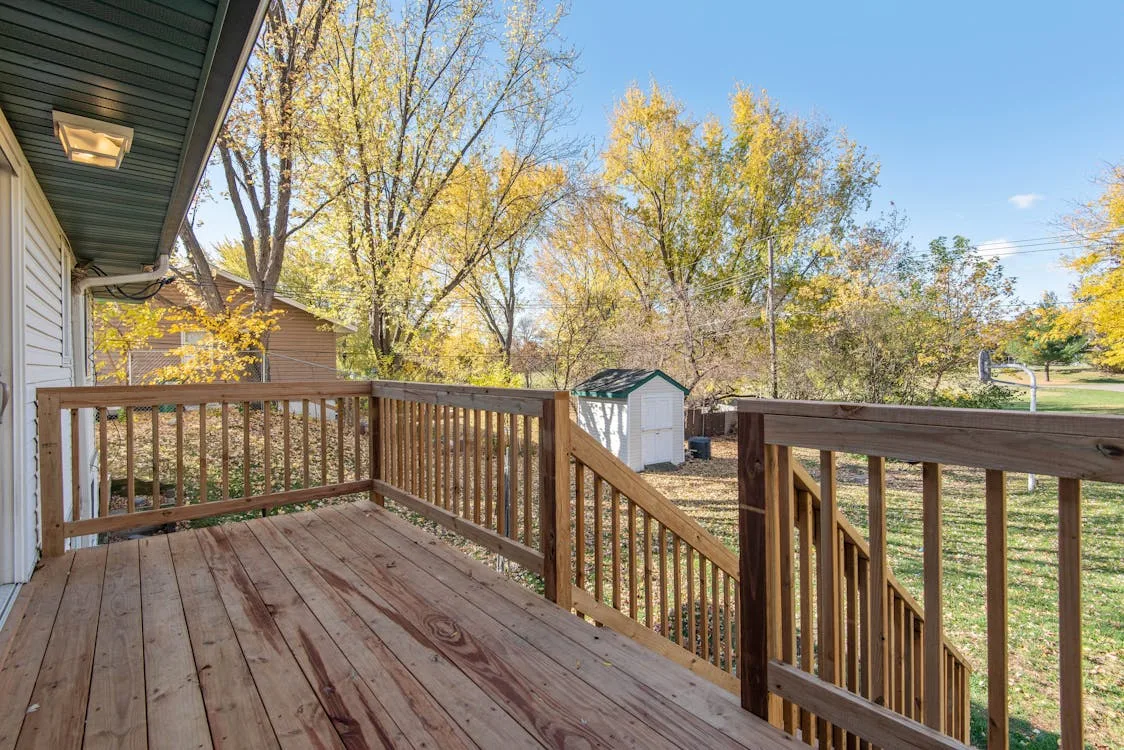
At this point, a large shed becomes more than just storage. Placed close to entry points, it acts as a holding zone for anything that carries dirt or debris. Everything has a place, which cuts down on scattered items and keeps the flow into the house clean. The shed supports organization alongside reducing the amount of mess that ever reaches indoor floors.
Hard Surfaces for Dirty Work
Messy tasks need a space where clean-up isn’t a burden. Trying to manage activities like potting plants, sanding, or small repairs on grass or near entryways often spreads dirt further than expected. Setting up gravel or paved sections gives those tasks a defined area where the mess can stay contained.
These surfaces are easy to rinse, sweep, or reset after use. Dirt doesn’t get absorbed or tracked across the yard, and the space can return to normal quickly. This way, you can handle hands-on work without worrying about the aftermath spreading into other areas, especially near doors or walkways.
Waste Stays Outside
Trash and recycling often build up indoors before being taken out, which creates unnecessary clutter and occasional mess. Moving these stations outside shifts that process earlier. Items get sorted and disposed of immediately instead of sitting inside waiting for attention.
Placing waste stations in accessible outdoor spots makes a difference in daily habits. Kitchen scraps, packaging, and other waste can go straight out without lingering. This reduces odor, clutter, and the chances of spills inside. It’s a small adjustment that changes how waste flows through the home.
Garden Work Without the Spillover
Gardening tends to bring soil, leaves, and tools into spaces where they don’t belong. Without a designated area, that mess spreads quickly, especially near entry points. Creating a contained garden zone keeps everything related to planting and maintenance in one place.
Raised edges, defined beds, and nearby storage help keep soil and debris from drifting across the yard. Tools stay within reach, and clean-up becomes simpler. This setup allows gardening to stay enjoyable without turning into a source of indoor mess, since everything gets handled before anyone steps inside.
Rinse It Before It Reaches Inside
A lot of indoor dirt could be avoided with a quick rinse before entry. Mud on shoes, residue on tools, or even dust on hands tends to come inside simply because there’s no easy way to deal with it outside. Adding an outdoor utility sink changes that behavior.
Having a dedicated spot to wash off dirt makes clean-up immediate and convenient. Instead of heading straight to indoor sinks, which then require cleaning themselves, the mess gets handled where it starts.
Keeping Clean Areas Actually Clean
Mixing relaxation spaces with work-heavy zones tends to undo all the effort put into outdoor mess control. A seating area placed too close to gardening or repair zones picks up dirt quickly, even without direct use. Separating these areas creates a clear boundary that protects cleaner spaces from ongoing activity.
A well-defined seating section stays free from scattered tools, soil, or debris. Furniture remains usable without constant wiping, and the space feels ready at any time. This separation supports a better experience overall, where one part of the yard can stay calm and clean while another handles the rougher, more hands-on tasks.
A Spot Just for Pets
Pets bring a different kind of mess into the home, especially after time spent outside. Muddy paws, loose fur, and debris can spread quickly across floors if there isn’t a clear place to manage them. Setting up a dedicated cleaning station outdoors helps handle that before entry.
A simple setup with a rinse area, towels, and a defined space makes a big difference. Pets can be cleaned quickly without dragging dirt inside, and the process becomes part of the routine rather than an afterthought.
Quick Rinse, Big Impact
Not every mess needs a full washdown. Often, a quick rinse is enough to stop dirt from traveling further. Hose stations placed near entry points allow for fast clean-ups that take seconds but prevent a much larger mess indoors.
Shoes, tools, and even hands can be rinsed off before stepping inside. Easy access encourages regular use, which keeps dirt from building up over time. This simple addition works quietly in the background, reducing the amount of cleaning needed inside the house without adding extra effort.
Laundry That Stays Outside First
Certain items don’t belong indoors right away. Wet clothes, muddy fabrics, or heavily used outdoor gear can carry moisture and dirt into the house if brought in too soon. Outdoor drying racks or laundry areas create a buffer where these items can be handled properly.
Allowing fabrics to dry or air out outside keeps indoor spaces cleaner and more manageable. It also reduces the strain on indoor laundry areas, where dirt and moisture can quickly build up.
Letting the Yard Handle the Mess
Water and debris need somewhere to go, especially in spaces designed for messy tasks. Without proper drainage, dirt and runoff tend to collect near pathways or entry points, creating ongoing clean-up issues. Designing the yard to direct water away from key areas keeps things under control.
Sloped surfaces, drainage paths, and thoughtful layout choices allow mess to move away naturally. This keeps the main walkways clear and reduces the chances of tracking dirt inside.
Outdoor mess zones are becoming a practical solution to a very common problem. Instead of letting dirt travel freely into the home, it gets handled at the source. Each setup, whether it’s a rinse station, storage area, or defined work zone, plays a role in controlling how mess moves. A well-planned exterior creates a clear boundary between outside activity and indoor comfort.