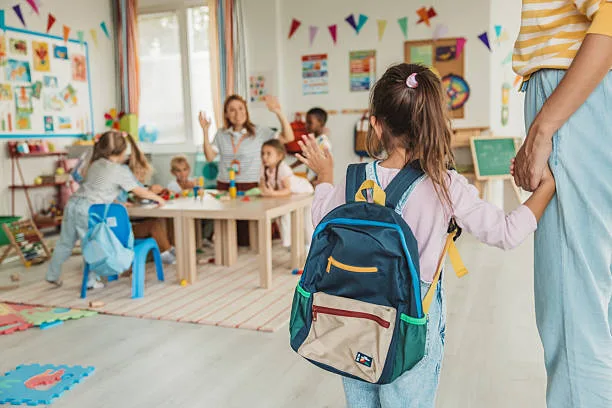
Private school used to feel like a niche choice. Something for families with deep pockets or strong religious traditions, but not really part of the conversation for everyone else. That has changed. Enrollment in private schools has been climbing for years, and the families showing up at open houses do not all look the same anymore. Some are coming from public schools that stopped working for their kids. Some are pulling kids back from homeschool. Some are relocating from other states and using the move as a chance to start fresh. Whatever the path, there is a reason this option keeps gaining ground. Here is a look at what private schooling actually delivers and why it tends to win families over once they experience it.
Smaller Class Sizes Change Everything
The single biggest difference parents notice is class size. Public elementary classrooms regularly run twenty-five to thirty students. Public high school classes can push past thirty-five. Private schools typically operate with classes half that size or smaller. Some schools like Embrace Academy, a private school in Las Vegas, cap classes at twelve or fifteen students by design.
That difference might sound like a detail. It is not. A teacher with twelve students can actually know each one as a learner. They notice when a kid is struggling on day three instead of week six. They catch the strengths that get buried in a bigger room. The quiet kids participate because there is space for them to participate. The advanced kids get pushed because the teacher has time to push them. Everything about the classroom feels different, from how questions get asked to how feedback gets delivered.
Curriculum Flexibility Means Real Customization
Private schools are not bound by the same curriculum requirements that shape public schools. They still have to meet certain standards, but how they get there is up to them. That flexibility shows up in lots of practical ways. A school can spend more time on writing if that is a priority. They can build whole units around projects instead of textbook chapters. They can introduce foreign language in kindergarten or skip it entirely. They can teach to mastery rather than to a calendar.
For families with kids who learn differently, this matters even more. A child who needs to move while learning, or who reads ahead of grade level, or who needs extra time on math fundamentals before moving on, has a much better shot at getting what they need in a school that can actually adjust.
Onsite Therapy and Support Services Make a Real Difference
This one catches a lot of parents by surprise. A growing number of private schools now offer occupational therapy, speech therapy, pediatric physical therapy, and other support services right inside the school building. Instead of pulling a kid out of class for an hour to drive across town for an appointment, the therapist comes to them. The session happens during a window that does not disrupt their academic day, and the therapist often ends up working closely with the classroom teacher.
For families navigating sensory needs, fine motor delays, speech challenges, or any number of other situations, this kind of integrated support changes daily life. Parents stop juggling appointment calendars and stop watching their kids fall behind on classwork because of all the time spent out of the room. The therapist becomes part of the school community rather than someone the family sees in a separate office. Communication between the therapist, the teacher, and the parents flows naturally because everyone is under the same roof.
The schools offering this kind of model tend to be the ones built around the idea that kids do their best learning when their other needs are being met at the same time. It is a more holistic view of what school is actually for, and it pulls in families who never thought private school was on their radar.
Stronger Teacher to Student Relationships
In a smaller school, teachers tend to stay longer. They get to know families across multiple years, sometimes teaching siblings or watching kids move up through the grades. That continuity has effects that are hard to measure but easy to feel. Teachers know what a kid was like in third grade when they show up in fifth. They know which families are dealing with what at home. They know which approaches worked and which ones did not.
Kids feel that. They show up at school knowing the adults in the building actually know them. The behavioral problems that come from feeling invisible tend to fade. The anxiety that comes from being a number in a system tends to ease up. Parents stop dreading drop off because their kid stops dreading the day.
Culture and Values Alignment
Public schools serve everyone, which is part of what makes them important. It also means they cannot really build their identity around any particular set of values. Private schools can. Some are religious. Some are built around a specific educational philosophy like Montessori or Waldorf. Some emphasize the arts, or athletics, or outdoor learning, or character development. Whatever the focus, families who choose a private school usually do it partly because they want their kids in a community that shares certain commitments with them.
That alignment matters more than people sometimes admit. Kids spend a huge portion of their waking hours at school. The values being modeled there shape who they become. When parents and the school are pointing in the same direction, kids get a more consistent message. When they are pointing in different directions, kids end up sorting through the conflict on their own.
Lower Stress, Higher Engagement
Pull all of these benefits together and you get a school environment that tends to feel calmer and more engaged. Kids who get noticed do not act out as much. Teachers who have time to teach do not burn out as fast. Parents who feel heard do not show up to conferences ready for a fight. The whole system has more room to breathe.
That is not to say private school is the right answer for every family. Tuition is a real obstacle, and not every private school is well run. But for the families who find the right fit, the benefits show up quickly and stick around for years. The kids end up in environments that meet them where they are, support what they need, and push them toward what they can become.