Key Takeaways
- Remineralization helps restore and strengthen tooth enamel by replacing lost minerals like calcium and phosphate.
- Early tooth decay can often be reversed before cavities fully develop through proper preventive care and treatment.
- Innovative treatments, including peptide-based therapies and Curodont, support natural enamel repair.
- Remineralizing toothpastes with fluoride or hydroxyapatite can help protect teeth and reduce sensitivity.
- A balanced diet rich in calcium and low in sugar supports stronger enamel and better oral health.
- Professional remineralization treatments provide minimally invasive alternatives to traditional fillings.
- Consistent oral hygiene habits, hydration, and regular dental visits are essential for maintaining healthy enamel.
For generations, cavities and tooth decay have driven millions into dental offices seeking restorative solutions. As dental science advances, the focus is steadily moving from simply repairing teeth to encouraging their natural regeneration. One particularly promising direction is remineralization, which restores and strengthens tooth enamel. This innovative method could eliminate the need for many traditional fillings and reshape how we think about oral care. Among these modern treatments, Curodont treatment is gaining attention for its ability to encourage enamel repair at its earliest stage.
Remineralization is not just a buzzword in dentistry. It is a scientifically backed process that offers hope to those seeking to prevent, and even reverse, early signs of tooth decay. With the aid of new technologies and therapies that enhance the tooth's natural healing powers, patients have more ways than ever to preserve their smiles for a lifetime.
Understanding Remineralization
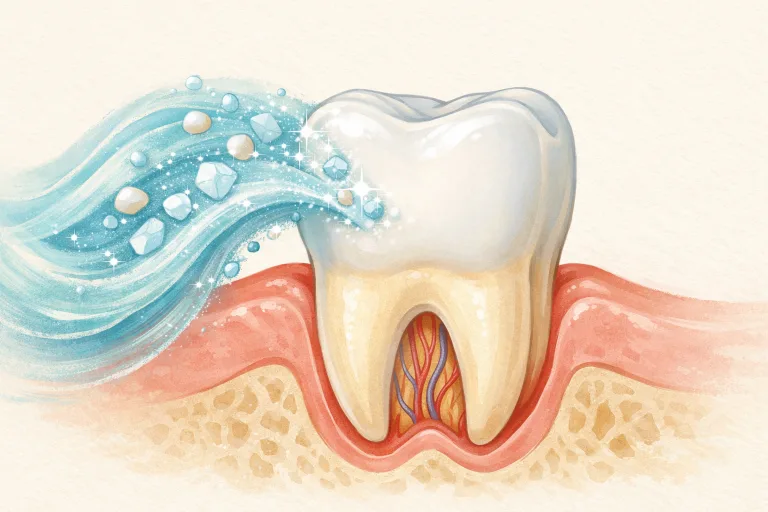
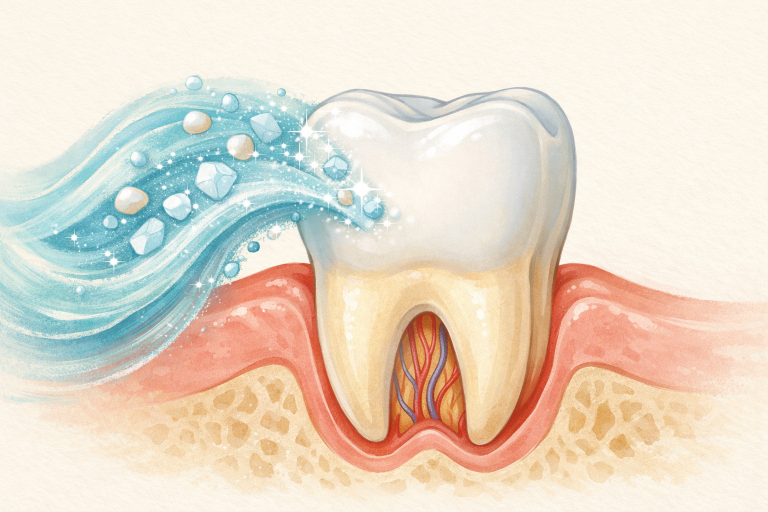
Remineralization occurs when minerals, such as calcium and phosphate, which are essential for tooth health, are redeposited into the enamel. Normally, daily acids from bacteria and foods cause demineralization, wearing away these minerals and opening the door for cavities to form. If remineralization keeps pace with or exceeds mineral loss, enamel can recover, halt decay, and even regain some lost strength. This process is especially effective in the early stages of decay, before a full cavity forms, making it a frontrunner in preventive dentistry. A growing body of clinical evidence supports remineralization as a natural means of rebuilding weakened enamel. By leveraging this knowledge, dental professionals are now developing materials and techniques that boost the efficiency of this natural repair mechanism.
Innovative Approaches to Enamel Regeneration
Modern technology has enabled treatments that do more than stop decay. Biomimetic therapies, for example, use peptides to imitate the body’s natural pathways of enamel development. These peptides build a framework within early cavities that supports the growth of new hydroxyapatite crystals, the mineral that gives enamel its hardness. Such therapies dive deep into the subsurface layer, addressing decay where it begins rather than masking symptoms. Recent findings shared by Nature highlight the potential for peptide-based approaches to revolutionize enamel repair, hinting at a future with far fewer drill-and-fill procedures.
Role of Remineralizing Toothpastes
Daily care products are also evolving to help remineralize enamel. Remineralizing toothpastes now feature ingredients such as fluoride, hydroxyapatite, calcium, and phosphate. These active compounds replenish critical minerals and help teeth resist acid attacks. Studies have demonstrated that hydroxyapatite-based toothpastes not only match fluoride in preventing cavities but can also help those with sensitive teeth by plugging holes and rebuilding the enamel surface. Consistent use of these products is a simple step with profound benefits.
Dietary Considerations for Enamel Health
What you eat plays a pivotal role in determining how effectively your teeth remineralize. Foods rich in calcium and phosphate, such as dairy products, nuts, and leafy greens, provide the raw materials needed for enamel repair. In contrast, frequent snacking on sugary or acidic items feeds enamel-eroding bacteria and accelerates the loss of minerals. Maintaining a balanced diet rich in minerals and low in sugar is essential for supporting any remineralization protocol.
In addition to incorporating mineral-rich foods, avoiding processed foods and beverages laden with added sugars is critical. These types of foods contribute to repeated cycles of demineralization, overwhelming the body’s ability to repair the enamel. Drinking water, particularly fluoridated water, during and after meals can help wash away acids and sugars that promote decay, bolstering the teeth’s natural defense mechanisms. For individuals with restricted diets, such as vegans, it may be worthwhile to seek additional sources of calcium and phosphate or consider supplements after consulting a dental professional.
Professional Treatments and Their Efficacy
Many dentists now incorporate remineralizing therapies into routine care for patients showing early signs of enamel softening. Fluoride varnishes remain popular for their well-documented ability to harden vulnerable tooth surfaces. Newer methods, such as peptide gels or treatments like Curodont, directly stimulate the body’s own mechanisms to rebuild enamel from within. According to the British Dental Journal, early trials have found that these approaches can close or reduce the size of shallow cavities, reducing the need for cement or resin fillings. An additional benefit of professional remineralization therapies is their minimal invasiveness. Unlike traditional fillings, which require drilling and removal of healthy tooth structure, most remineralization strategies are painless and preserve as much of the natural tooth as possible. Some dental offices also combine remineralization strategies with digital monitoring, allowing for detection and intervention at the earliest possible stages of decay.
Preventive Strategies to Enhance Remineralization
Preventing tooth decay and maximizing remineralization potential depends most on consistent oral hygiene. Brushing with a remineralizing toothpaste, daily flossing, and regular visits to the dentist create the best possible environment for enamel recovery. Staying hydrated is also important, as saliva naturally contains the minerals teeth need to repair themselves. Chewing sugar-free gum after meals can further increase saliva flow and enhance this effect, as recommended by the American Dental Association. Individuals can also consider using mouthwash containing fluoride or other remineralizing ingredients as a supplementary measure. Regular professional cleanings remove plaque and tartar that harbor acid-producing bacteria, further supporting the teeth's healing process. Educating children and adults alike about these preventive strategies is critical in establishing lifelong oral health routines and making the most of modern remineralization advances.
Challenges and Future Directions
Despite the promise of remineralization, challenges remain. Individual differences in diet, saliva composition, and the oral microbiome can affect success rates. Current research focuses on identifying which patients are most likely to benefit from each available option. Future advancements may introduce even more customized therapies, designed to match patients’ unique dental profiles and maximize outcomes. As research continues to evolve, emerging techniques such as nanotechnology and bioactive materials could further optimize enamel regeneration. Tailored remineralization protocols that use genetic, behavioral, and environmental data to predict individual risk and response are on the horizon. Research teams are also investigating how probiotic supplements may shift the oral microbiome balance, promoting a healthier environment for enamel repair and overall dental wellness.
Conclusion
The movement toward remineralization in dentistry signals a shift in how cavities are managed, offering patients the opportunity to prevent, halt, and even reverse early decay without major restorative work. With continuing research and education, these strategies hold the potential to transform long-term dental health, leading to stronger, healthier smiles and fewer invasive treatments.