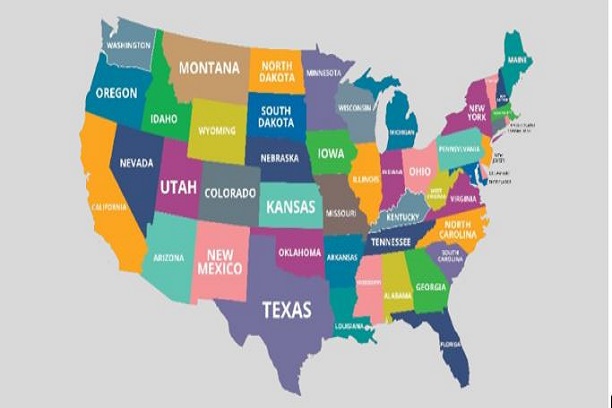
Approximately 600,000 homes in the U.S. are damaged by termites annually. The top infested cities are Miami, FL (3rd year at #1); Los Angeles, CA; Tampa, FL; Houston, TX; and West Palm Beach, FL.
Termite infestations are a major property issue. And if it gets worse, it may lead to extreme choices for renters and property owners alike.
Landlords are generally required to maintain rental properties in a habitable condition, which includes addressing pest infestations like termites. So, can you break your lease because of termites? Let’s find out!
The implied warranty of habitability serves as the fundamental legal principle that resolves all lease disagreements that involve termite infestations. The warranty originated in Javins v. First National Realty Corp., 428 F.2d 1071 (D.C.). Circ. 1970 has become a legal requirement that mandates landlords to sustain residential rental properties in a state that permits safe human occupancy.
The warranty exists as a legal requirement that applies to all residential leases because tenants and leasing agreements cannot eliminate the warranty through their agreements. Habitability is typically defined as substantial compliance with applicable housing and building codes or, where no code applies, with basic health and safety standards.
Determining whether a termite infestation constitutes a habitability violation depends on both its severity and its actual effects. The legal threshold for most jurisdictions requires more than a minor sighting of a few insects to establish an infestation.
A case presents much stronger evidence when there exists an active widespread infestation that causes structural damage to load-bearing elements and compromises both flooring and walls and creates hazardous conditions for occupants.
Most states need tenants to show landlords their written notification about the issue before they can start using habitability-based solutions. Because the notice is required to be quite specific about the problem, it must be served either by certified mail or by email in writing.
There are two factors involved in fixing the rights for tenants: state laws and the extent of their problems, both necessitating checking local landlord-tenant laws for specific time limits.
The notice date marks a critical point in time because it begins the period that requires landlords to perform their duties. The tenant's ability to seek additional solutions becomes weaker when the landlord takes appropriate action to solve the infestation problem after responding to it within a reasonable timeframe.
The tenant's legal position becomes stronger when the landlord fails to fulfill their responsibilities during the cure period or implements insufficient solutions. The tenant should hold onto all paperwork concerning their conversations with the landlord about infestation problems and treatment options and the receipt of that information.
Every case is different, says Rockford real estate lawyer Erin E. Walsh. So, if you are having concerns, you should consult your lawyer. What evidence may be required and how should it be presented?
Available Remedies Short of Lease Termination
The landlord's failure to control a termite infestation gives tenants access to multiple legal solutions beyond lease termination. The majority of states permit tenants to suspend their rent payments through rent withholding while they wait for their necessary home repairs to finish or through rent escrow, which lets them pay the court.
The procedural requirements differ substantially by state: some jurisdictions require rent to be placed in an escrow account rather than simply withheld, and failure to follow the specific procedure can expose the tenant to eviction for nonpayment.
More than half of U.S. states and select major cities, including California, offer repair and deduct as an independent statutory solution that exists under Civil Code Section 1942. The tenant can select a pest control expert who will treat their property while they pay for the treatment costs, which they will deduct from their future rent payments.
Deductible amounts are usually restricted to one month's worth of rent in most states with limitations on how many times the tenants may have recourse to this remedy. The landlord should be warned in writing about the repair before the tenant threatens to go further into the legal process.
The termination of a lease because of termite problems needs proof of constructive eviction to succeed. The legal principle of this doctrine states that landlords must keep their properties usable because most tenants need functional living space to stay in their homes.
To establish a constructive eviction, the tenant must show three things to the court. That s/he had given written notice about the complaint to the landlord, that the landlord failed to correct the problem, and that the tenant is deprived of possession and enjoyment of the property.
Tenants must keep their rented space occupied. That’s why leaving it after realizing its issues will prove that a constructive eviction exists. The tenant must leave the premises within a reasonable time frame, which begins after the landlord fails to resolve the issue.
A tenant who stays in the apartment beyond the necessary time after discovering habitability issues will find it harder to prove their case. This may lead to a loss of their legal rights because their prolonged stay indicates that they found the conditions to be acceptable. A tenant who wants to end their lease due to bad living conditions must take immediate action after their repair period ends.
A tenant must get an official pest inspection certificate. It is evidence strengthening their case. You might need to consult a tenant rights lawyer before you decide to leave. This will be best to avoid a demand for back rent until the lease ends by not properly executing your constructive eviction.
A termite infestation enables tenants to terminate their lease according to the implied warranty of habitability, which the court established in Javins v. First National Realty Corp. and which most states have enacted into law. Written notice to the landlord with a reasonable cure period is a prerequisite to any remedy in virtually every jurisdiction.
The available remedies in each state include the option to withhold rent, use rent escrow, and employ repair and deduct methods, each of which requires different procedures. The three elements of these remedies require documentation, which includes evidence of the infestation and all documented communications and an official inspection report.

This post has been published by the admin of our website, responsible for content management, quality checks, and providing valuable information to our users.